
Who this is for
Experienced Builders With a Growing Pipeline
Builder financing works best when capital is sized to the business rather than to one house at a time. These are the builders and developers we place most often.
Production Homebuilders
Builders running several communities or phases at once and starting homes on a regular schedule.
Residential Developers
Developers taking entitled land through horizontal development and into vertical construction under one facility.
Build-to-Rent Operators
Sponsors constructing single-family and townhome rental communities with a lease-up and takeout plan.
Established Regional Builders
Experienced builders whose bank lines are limited by spec caps, deposit requirements or single-lender covenants.
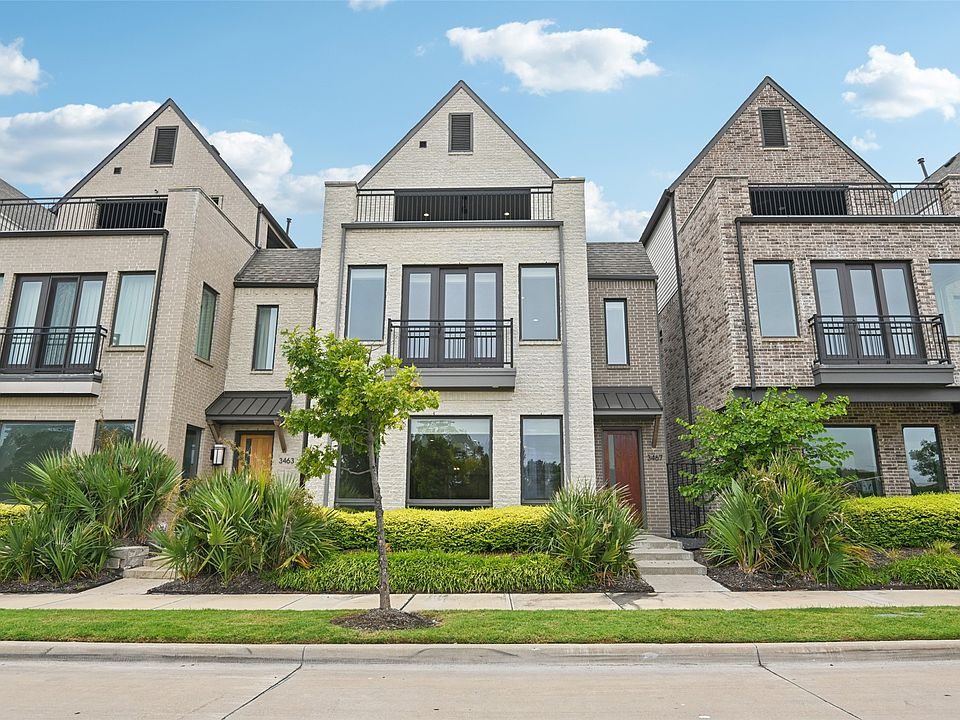
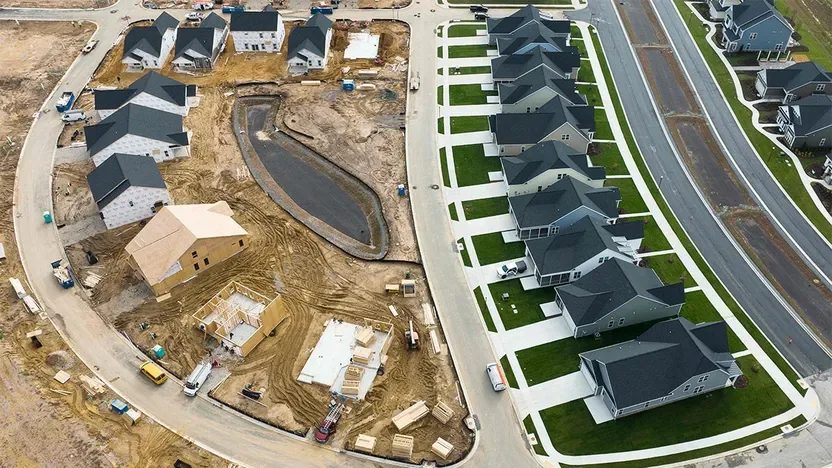
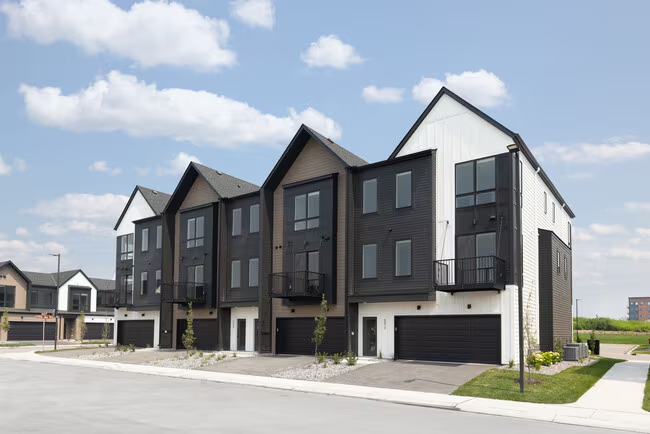
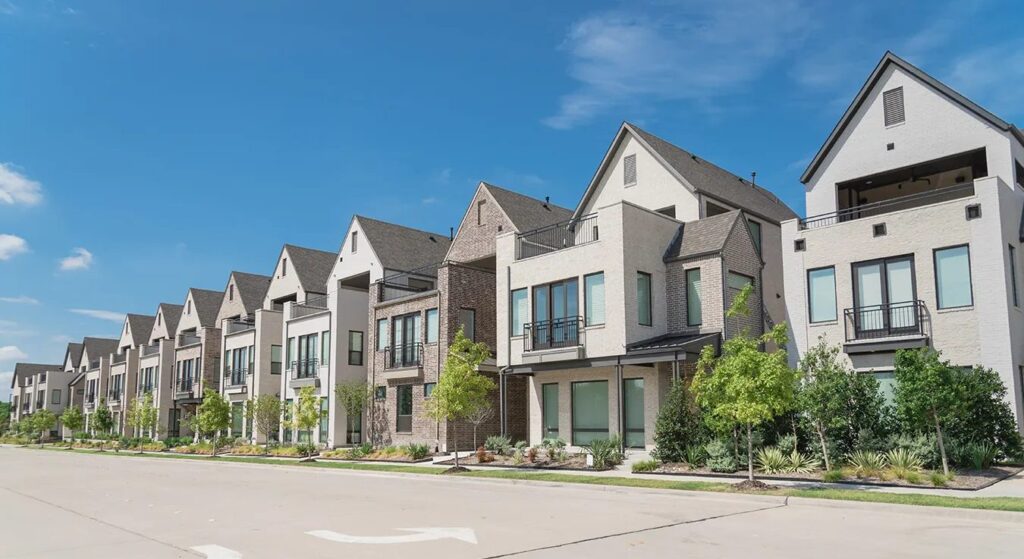
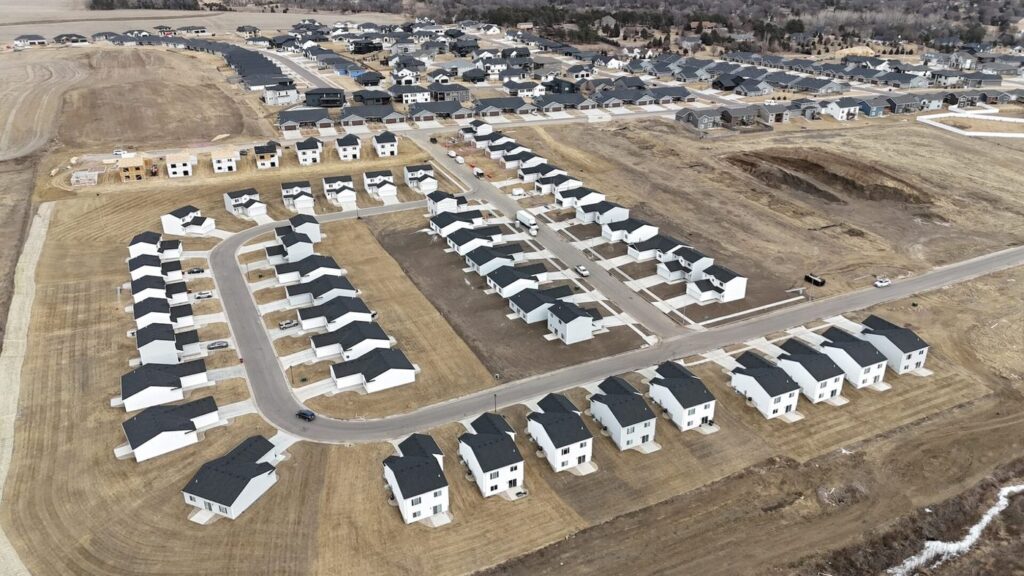
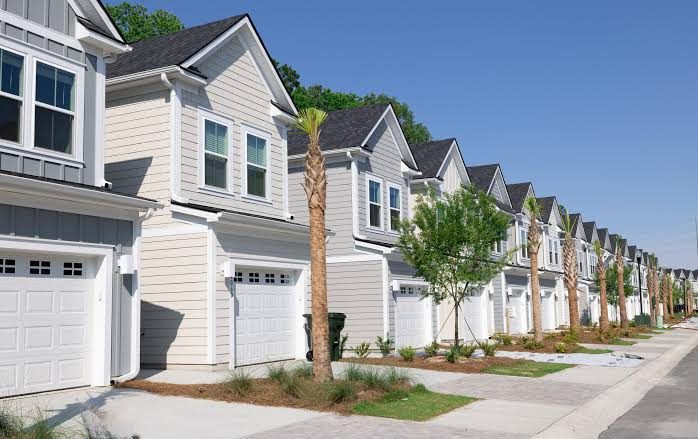
Residential Builder Construction Financing
INSIGNIA Financial Services arranges construction financing for experienced residential builders and developers: acquisition, development and construction facilities for new communities, vertical construction loans on build-ready lots, build-to-rent construction, and bridge loans on completed or nearly completed home inventory. The loans are underwritten around the builder and the full pipeline rather than a single house, which changes how capital is approved, how much liquidity a builder has to hold back, and how quickly the next start can move.
Builder Construction Programs at a Glance
| Program | What it funds | Term (up to) | Maximum leverage | Eligible collateral |
|---|---|---|---|---|
| AD&C all-in-one | Land acquisition, horizontal development and vertical construction in a single facility | 24 months | 90% of cost; 60% of as-improved value on horizontal development and 75% on vertical | Entitled land with zoning in place; single-family, condominium, 2 to 4 unit and townhome construction |
| New construction | Vertical construction on build-ready lots | 24 months | 95% of cost; 75% of as-completed value | Single-family, condominium, 2 to 4 unit and townhome |
| Build-to-rent | Construction of single-family and townhome rental communities, with development and bridge aggregation available in the same relationship | 24 months, extendable to 36 months | 95% of cost; 75% of as-completed value | Single-family, condominium, 2 to 4 unit and townhome |
| Bridge stabilization | Completed or nearly completed home inventory, a change in project direction, or refinancing of existing construction debt | 24 months | 75% of as-improved value; cost test not applied | Same vertical property types; land-only collateral is not eligible |
Leverage and terms are program maximums and apply to qualified builders only. Several properties can be financed under one loan when they are in the same jurisdiction. Interest rates and fees are not posted; see Pricing and Fees below.
How Builder Facilities Are Underwritten
Bank construction lines are generally approved project by project, with covenants and deposit requirements that follow the builder across every start. The private construction fund we use underwrites the builder first: company history, track record, financial capacity, operating experience and the production pipeline. From that review it sets an annual exposure limit, which can reach $350 million for the largest builders, and each eligible project is then reviewed within that limit instead of restarting the approval from the beginning.
| Feature | Typical bank builder line | Pipeline-based private facility, per the lender's published terms |
|---|---|---|
| Approval unit | Project by project, with covenant and borrowing base monitoring | Builder and pipeline first, then each project within an annual exposure limit |
| Deposit requirements | Significant deposits commonly required to maintain credit access | No large deposit requirement |
| Concurrent starts | Spec and production caps limit the number of active homes | No spec limit on concurrent projects |
| Reporting | Frequent financial reporting and covenant testing | Quarterly financial reporting |
| Other lenders | Cross-bank covenants can restrict borrowing elsewhere | No cross-lender restrictions |
| Leverage | Lower advance rates and more builder equity | Up to 95% of cost on vertical construction |
| Cost of capital | Generally lower | Generally higher, priced for leverage, speed and capacity |
The tradeoff is cost. Private construction capital is generally priced above bank construction debt, so the case for it rests on leverage, capacity and the ability to start homes, not on rate. Where a bank line is capped by spec limits, deposits or a single-lender covenant, a pipeline facility can fund starts a bank structure cannot, and the two can be used together where the bank's covenants allow.
Choosing the Right Program
AD&C all-in-one
A single facility funds the acquisition of entitled land, horizontal development and vertical construction, so the builder does not refinance or re-underwrite as a project moves from lots to homes. Horizontal work is advanced at a lower value ratio than vertical (up to 60% versus up to 75% of as-improved value) and the facility is capped at 90% of cost, so more of the builder's equity goes in during land and infrastructure. The structure fits master-planned and phased communities where the builder controls the land and the sequencing.
New construction
New construction loans fund vertical construction on build-ready lots for single-family homes, townhomes, condominiums and 2 to 4 unit properties. Advances run up to 95% of cost and 75% of as-completed value, with the lesser of the two governing. Financing several homes under one loan, where they sit in the same jurisdiction, reduces the number of separate closings across a production schedule.
Build-to-rent
Build-to-rent construction funds single-family and townhome rental communities at the same maximum leverage as new construction, with a term of up to 24 months that can extend to 36 months to allow for lease-up before takeout. Takeout is the central underwriting question for these projects. Permanent lenders size stabilized rental assets on in-place cash flow, so the construction budget and rent assumptions should be tested against takeout debt service coverage before the loan closes. See our single-family rental portfolio loans, DSCR and rental loans and DSCR calculator.
Bridge stabilization
Bridge stabilization provides up to 24 months of capital on completed or nearly completed home inventory. Builders use it when closings are slower than the schedule, when a for-sale project is being repositioned as a rental, or when existing construction debt has to be refinanced while a longer-term plan comes together. It is sized on value rather than cost, and land-only collateral is not eligible.
Leverage and Sizing
Where a program publishes both a cost limit and a value limit, the loan is sized to the lesser of the two, so the binding constraint depends on the margin in the project. The illustration below applies the new construction maximums to a community with $10,000,000 of total cost.
| Item | Case A: thinner margin | Case B: wider margin |
|---|---|---|
| Total project cost | $10,000,000 | $10,000,000 |
| As-completed value | $12,000,000 | $14,000,000 |
| Maximum on cost (95%) | $9,500,000 | $9,500,000 |
| Maximum on value (75%) | $9,000,000 | $10,500,000 |
| Maximum loan | $9,000,000, limited by value | $9,500,000, limited by cost |
| Loan as a share of cost | 90.0% | 95.0% |
| Builder equity | $1,000,000 | $500,000 |
Illustration only, not a quote or commitment. Advance rates, appraised values and the cost review are determined by the lender for each project.
In Case A the value test governs, so the builder's equity is 10% of cost, and it falls only when sales values support a larger appraised value. Builders planning a new community should run both tests on each phase before committing to land, because a price point that clears the cost test can still leave the value test as the constraint.
Pricing and Fees
INSIGNIA does not post loan rates. Pricing on private builder facilities is based on the builder's track record, the program, leverage, term and market, and it is delivered in a term sheet. When a private facility is compared with bank debt, the comparison that matters is the all-in cost over the expected hold period: origination fees, interest reserves, extension and exit costs, and the equity that higher leverage releases for the next start. Our rates page explains why we publish benchmark index levels rather than loan rates.
Draws and Servicing
Construction loans are administered through draws against the approved budget as work is completed. The lender services its loans with an internal team and gives builders online access to loan details and draw requests. Builders should still agree the draw schedule, inspection process and lien waiver requirements with the lender before the first start, because draw timing affects subcontractor payments and carry cost.
Where Lending Is Available
Builder financing is available through regional lending teams covering the Pacific Northwest, West, Texas, Midwest, East and Southeast. It is not available in Alaska, Arizona, Arkansas, Louisiana, Maine, Minnesota, Nebraska, Nevada, New York, North Dakota, South Dakota or Vermont. Availability in a specific state and market should be confirmed before a builder prepares a submission.
When This Is Not the Best Fit
- Builders without an established track record. The lender works with experienced residential builders and developers. First-time builders and one-off projects are usually better served by a local bank.
- Fix-and-flip, rehab and small investor projects. See residential investor financing.
- Commercial construction. Apartment communities of five or more units, mixed-use, industrial, retail, self-storage, hospitality and healthcare projects are covered on the ground-up construction loans page. Permanent financing for completed apartments is on the apartment loans page.
- Stabilized rental homes and portfolios. See single-family rental portfolio loans and DSCR and rental loans.
- Builders with ample bank capacity on acceptable terms. A bank line is generally the lower-cost source when it is available and the covenants do not constrain starts.
- Owner-occupied or consumer construction. Builder financing is available for business purposes only.
How INSIGNIA Arranges Builder Financing
We review the builder's profile and pipeline, match them to the program and structure that fit, package the builder and the first project, and negotiate terms, closing and first draw. Because we underwrite the builder rather than each house, the packaging work is front-loaded, and a complete builder submission is what allows later starts to move quickly. Our broader loan programs comparison and capital sources guide show how builder financing fits alongside other debt.
Discuss your pipeline with an advisor
Tell us about your active communities, lots and expected starts. We will identify the program that fits, confirm availability in your market and outline the information the lender will need.
Request a QuoteSchedule a Consultation Or call 800-616-2050Information Needed to Start
| Builder and pipeline | First project |
|---|---|
|
|
Requirements vary by program. An advisor confirms the list for your project.
Frequently Asked Questions
Who qualifies for builder construction financing?
The lender works exclusively with experienced residential builders and developers, particularly those managing active pipelines, multiple projects or communities, and recurring capital needs. It does not publish a minimum track record, so we review a builder's history with an advisor before any submission.
What is an annual exposure limit?
It is the amount of capital the lender commits to a builder across projects, set after reviewing the company, track record, financial capacity and pipeline. The lender states that limits can reach $350 million. Each eligible project is then reviewed within the limit instead of being underwritten from the start.
How much leverage is available?
Published maximums are up to 95% of cost and 75% of as-completed value on new construction and build-to-rent, up to 90% of cost on AD&C all-in-one facilities, and up to 75% of as-improved value on bridge stabilization. The lesser of the cost and value tests governs where both apply, and actual advance rates depend on the builder and the project.
Can one loan cover several homes?
Yes. Multiple properties can be financed under one loan when they are in the same jurisdiction.
Can the loan include land and development costs?
Yes, under the AD&C all-in-one program, which funds land acquisition, horizontal development and vertical construction in one facility. The land must be entitled with zoning in place. Land-only loans with no development or construction plan are not among the programs described here.
What are the loan terms and can they be extended?
Terms run up to 24 months on every program, and build-to-rent loans can extend to 36 months. Extension availability and cost on other programs are set by the lender.
Does INSIGNIA post rates?
No. Pricing depends on the builder, program, leverage, term and market and is provided in a term sheet. We request the full fee schedule in writing so that builders can compare the all-in cost.
How are draws handled?
Draw requests are reviewed and processed by the lender's internal servicing team, and builders have online access to loan details and draw requests.
Is this the right source for a fix-and-flip or a single custom home?
Generally not. Builder facilities are designed for experienced builders with ongoing pipelines. Investors rehabbing or building a small number of homes should see our residential investor financing page.
How do I get started?
Submit a quote request with a short description of your pipeline, or schedule a consultation. An advisor reviews your builder profile, confirms fit and availability in your market, and outlines the information the lender will need before any formal application.
Start with a conversation about your next phase
The first step is a short discussion of your builder profile and pipeline, not a full application. An advisor reviews it, identifies fit and returns with next steps.
Request a QuoteSchedule a Consultation Or call 800-616-2050This page provides general information for business users and does not constitute an offer of financing or a statement of current pricing. Program parameters are maximums published as of October 2026 and may change without notice. Terms vary by builder, project, market and program, and all loans are subject to lender credit approval. Builder financing is available for business purposes only.