
HUD 232/223(f)
Healthcare Loans
Assisted Living, Memory Care and Skilled Nursing Financing
Who this is for
Healthcare Owners and Buyers With Stabilized Facilities
HUD 232/223(f) works best for licensed facilities with an experienced operator, a clean survey record and the coverage to support long-term, fixed-rate debt. These are the owners and buyers the program is built for.
Skilled Nursing Owners and Operators
Owners of licensed skilled nursing facilities with stable census and survey history who want long-term, fixed-rate debt in place of short-term or recourse financing.
Assisted Living and Memory Care Owners
Owners of licensed assisted living and memory care communities, at least three years past the certificate of occupancy, refinancing into fully amortizing, non-recourse debt.
Buyers of Existing Facilities
Acquirers of licensed facilities with an operator in place, where HUD leverage and a long amortization can replace a shorter conventional structure.
Sponsors Taking Out Transitional Debt
Owners who stabilized a facility on a bridge loan or bank loan and are ready for a permanent takeout.
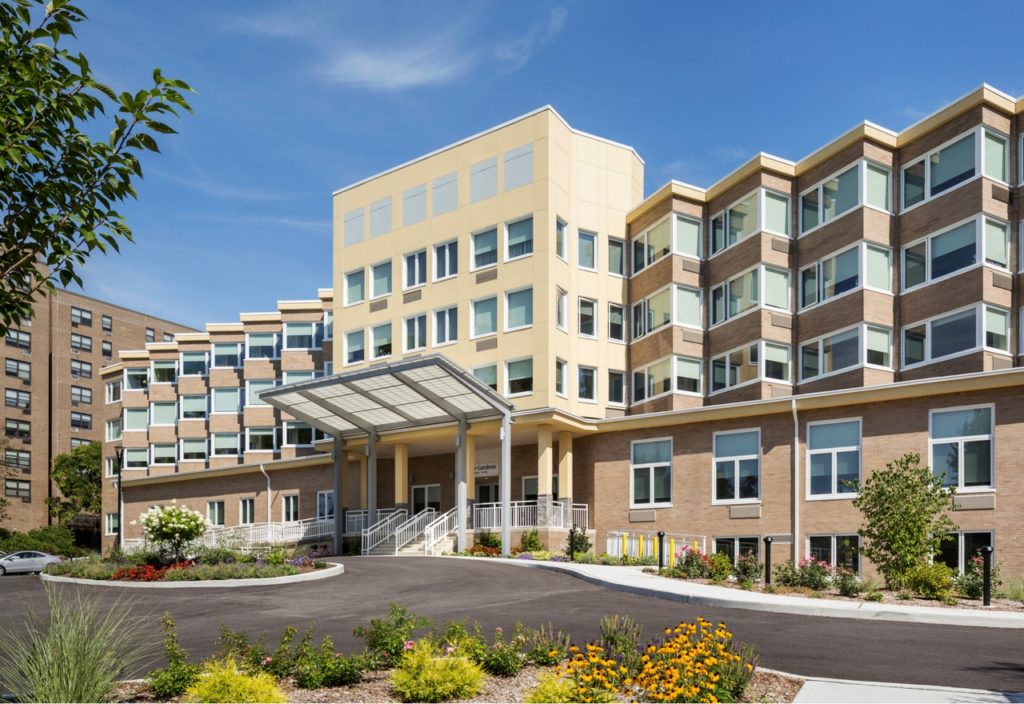
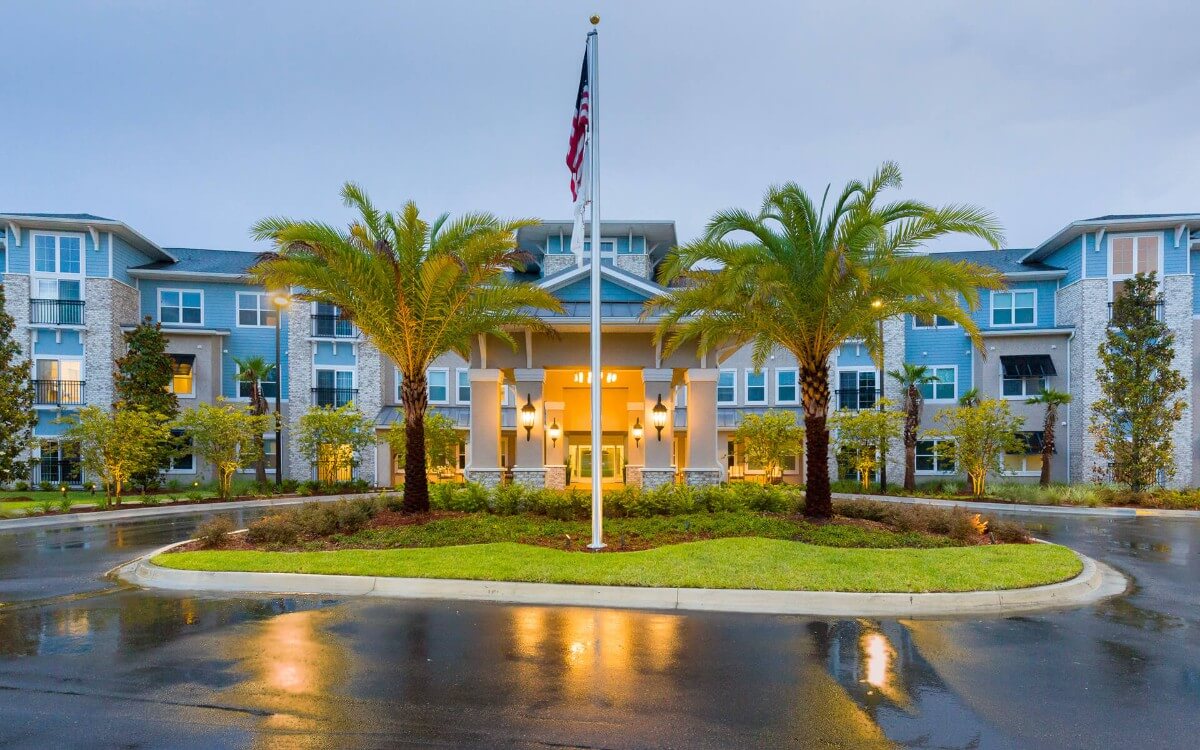
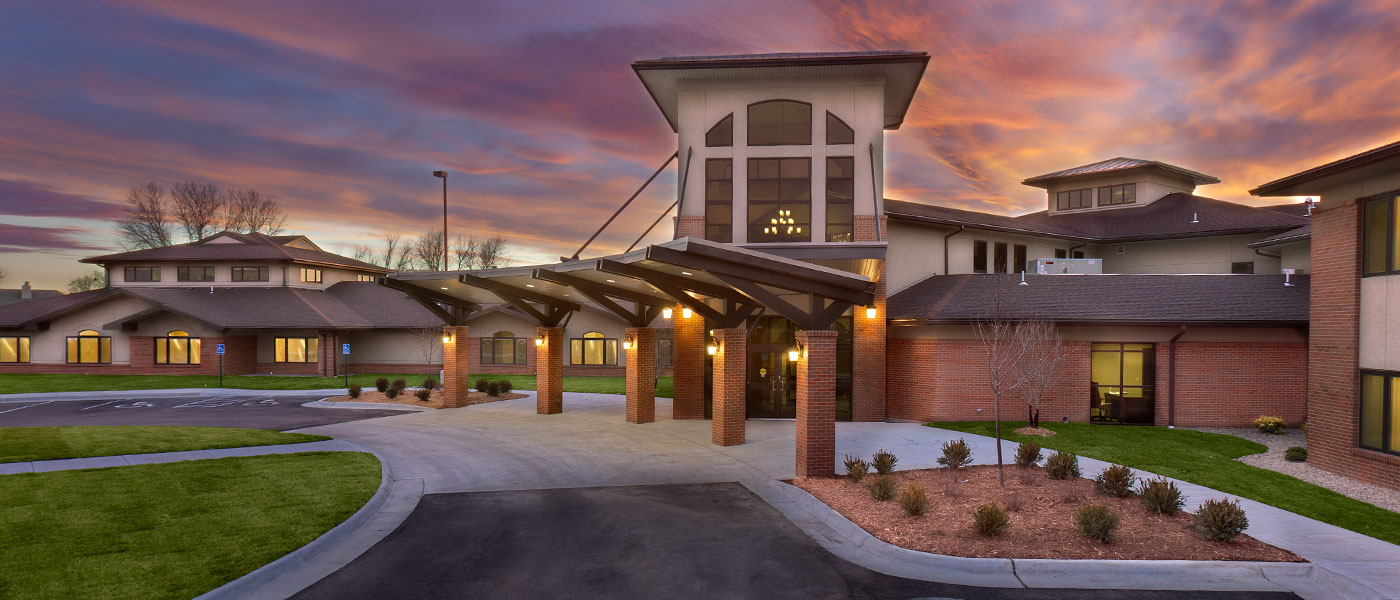
Financing Overview
INSIGNIA arranges HUD-insured financing for existing healthcare facilities through HUD-approved lenders, structured around the facility, the operator and HUD’s underwriting requirements.
HUD Section 232/223(f) insures long-term, fixed-rate, non-recourse loans for the acquisition or refinancing of existing licensed healthcare facilities, including skilled nursing, assisted living, memory care, intermediate care and board and care. The summary table below sets out term, leverage, coverage and eligibility.
Section 232 itself covers new construction and substantial rehabilitation, which are handled under Ground-Up Construction Loans, and assets that do not yet qualify can be carried on a bridge loan with HUD financing as the takeout. For a comparison with SBA 504, agency, bridge and USDA options for healthcare properties, see Healthcare Facility Financing.
- Skilled Nursing Facilities
- Assisted Living Facilities
- Memory Care Facilities
- Intermediate Care Facilities
- Board and Care Homes
- Independent Living Component (up to 25%)
HUD 232/223(f) at a Glance
HUD Section 232/223(f) replaces short-term or conventional debt on stabilized, licensed healthcare facilities with long-term, fixed-rate, non-recourse financing. The parameters below summarize how the program is typically structured. Each loan is sized at the least of several HUD tests, so the controlling constraint varies by facility.
| Item | Detail |
|---|---|
| Purpose | Acquisition or refinance of existing licensed healthcare facilities, with or without moderate repairs |
| Eligible facilities | Licensed nursing homes and skilled nursing, assisted living including memory care, intermediate care and board and care homes |
| Eligibility requirements | State licensure, continuous protective oversight and three meals a day; at least 20 beds or units; at least three years since the certificate of occupancy; independent living up to 25% of the project; non-resident day care and commercial space each limited to 20% of gross area and income; not on the CMS Special Focus Facility list or candidate list |
| Term and amortization | The lesser of 35 years or 75% of the property's remaining economic life, fully amortizing |
| Interest rate | Fixed for the full term, set at rate lock |
| Maximum leverage | Generally 80% of value for for-profit borrowers and 85% for nonprofits, limited further by cost-based tests on acquisitions and refinances |
| Minimum coverage | 1.45x debt service coverage on underwritten net operating income |
| Recourse | Non-recourse, subject to HUD's standard carve-outs |
| Borrower | Single-asset special purpose entity, for-profit or nonprofit |
| Mortgage insurance | Published term sheets cite 1.0% at closing and 0.65% annually, with reduced annual premiums for qualifying LIHTC and green projects |
| HUD application fee | 0.30% of the requested loan amount, per published term sheets |
| Assumability | Fully assumable, subject to HUD approval |
Parameters reflect HUD Section 232 program guidance and published lender term sheets. They are indicative, subject to HUD approval, and change with program guidance.
Section 232/223(f) vs. Section 232 Construction and Substantial Rehabilitation
Owners often arrive with a facility that sits between programs. The distinction is driven by the age of the improvements and the scope of the work.
| Item | Section 232/223(f) | Section 232 new construction and substantial rehabilitation |
|---|---|---|
| Use | Purchase or refinance of existing facilities | Ground-up development or substantial rehabilitation |
| Term | Up to 35 years, not to exceed 75% of remaining economic life | Up to 40 years, plus an interest-only construction period |
| Leverage | Generally 80% of value, 85% for nonprofits | Published guidance cites 75% for assisted living and 80% for skilled nursing, with 5 points more for nonprofits |
| Coverage | 1.45x | 1.45x |
| Property age | At least three years since the certificate of occupancy | Not applicable |
| Repairs | Moderate repairs only | Substantial rehabilitation or new construction |
| Where to start | This page | Ground-Up Construction Loans |
How a HUD 232/223(f) Loan Is Processed
- Eligibility screen. We confirm licensure, bed or unit count, the three-year requirement, operator history and the facility's quality and survey record before any application work begins.
- Underwriting package and lender selection. The owner and operator financials, rent or census detail and capital needs are assembled, and the package is placed with a HUD-approved lender suited to the asset and operator.
- HUD application and third-party reports. The lender submits the application with the appraisal, environmental report and physical needs assessment, and HUD reviews the operation as well as the real estate.
- Firm commitment. HUD issues its commitment on the final loan amount, reserves and conditions.
- Closing and endorsement. The loan closes and HUD endorses the mortgage insurance, after which the Regulatory Agreement governs reserves, distributions and reporting.
Processing time varies with HUD workload and the completeness of the application, and is generally measured in months rather than weeks. HUD also offers an Express Lane that gives queue priority to qualifying refinance and acquisition applications from stable operations with lower leverage and higher coverage than the standard program.
Obtain a Quote
Receive a custom quote for your specific financing needs

Borrower Requirements and Information Needed
The requirements for the borrowing entity are summarized below, along with the information we need to evaluate a facility.
Eligible Borrowers
The borrower must be a single-asset special purpose entity, either for-profit or nonprofit. Eligible mortgagors include investors, builders, developers, public entities (nursing homes) and private nonprofit corporations and associations.
For nursing homes only, applicants may be public agencies that are licensed or regulated by a State to care for convalescents and people who need nursing or intermediate care. A potential applicant must submit a Certificate of Need from the State agency designated by the Public Health Service Act. (If no State agency exists, an alternative study is required.)
No Certificate of Need is required for board and care homes or assisted living facilities; instead, the applicant needs a statement from the appropriate State agency.
Information Needed for Evaluation
Trailing 36 months and year-to-date operating statements, with census and payor mix for skilled nursing or occupancy and rate detail for assisted living and memory care
Operator information, including license, ownership, years operating the facility, most recent state survey results and CMS ratings where applicable
Current debt statement for a refinance, or the purchase contract for an acquisition
Estimate of stabilized NOI and value, ideally with support for the capitalization rate
Capital or repair budget, if any
Sponsor information, ideally a personal financial statement, schedule of real estate owned and a bio describing healthcare operating experience
Operator and Ownership Structure
HUD underwrites the real estate and the operation together. When the owner and operator are separate entities, the operating lease, the operator's financial statements, licensure and survey history are all part of the review, and the borrower must be a single-asset special purpose entity. Under the HUD Regulatory Agreement, distributions are limited to surplus cash, and replacement reserves are funded monthly in line with the physical needs assessment. Owners who plan to change operators or ownership during or shortly after the loan process should raise it at the outset, because HUD approval is required for these changes.
Underwriting Focus
- Coverage. HUD tests 1.45x on its own underwritten NOI, which adjusts reported revenue and expenses and applies management fee and reserve assumptions. Coverage at the borrower's reported NOI is not the controlling figure.
- Operator quality. Skilled nursing facilities are reviewed against CMS ratings and survey history, and a project cannot appear on the Special Focus Facility list or candidate list.
- Revenue mix and census. For skilled nursing, payor mix and census trends drive the underwritten revenue. For assisted living and memory care, occupancy trends and private-pay rate support matter most.
- Capital needs. The physical needs assessment sets reserve deposits and any required repairs, which affects both loan proceeds and cash required at closing.
- Cost-based limits. Acquisition loans are capped by a percentage of acquisition cost, and refinance proceeds are generally limited to existing debt, eligible costs and repairs. Section 223(f) is not a cash-out product.
When HUD 232/223(f) Is Not the Best Fit
- Timing is fixed by a contract or maturity. HUD processing runs on HUD's schedule. A bridge loan can carry the asset, with HUD financing as the takeout once the facility qualifies.
- The facility is less than three years past its certificate of occupancy, or needs substantial work. A bridge loan or the Section 232 construction and rehabilitation path is the better structure.
- Cash-out proceeds are required. HUD 232/223(f) refinances are limited to existing debt, eligible costs and repairs.
- The operator's quality or coverage record is weak. Facilities that cannot satisfy HUD's operator review or 1.45x coverage may need transitional or conventional capital first.
- The borrower is an owner-user or smaller operator. SBA 504 and 7(a) and other programs may fit better. The Healthcare Facility Financing page compares the options.
Sizing Tools and Related Resources
- DSCR Calculator to test coverage under different loan structures
- Loan Calculators for sizing and payment analysis
- Loan Programs at a Glance to compare leverage, term and recourse across programs
- Capital Sources and Loan Types for a comparison of lender types
- Representative Transactions for examples of financings we have arranged
Frequently Asked Questions
What is the difference between HUD 232 and HUD 232/223(f)?
Section 232 insures loans for new construction and substantial rehabilitation of residential care facilities. Section 232/223(f) insures the purchase or refinance of existing facilities that do not need substantial rehabilitation. The two share the same facility types and underwriting framework but differ in term, leverage and eligibility timing.
Which facilities are eligible?
Licensed nursing homes and skilled nursing facilities, assisted living facilities including memory care, intermediate care facilities and board and care homes are eligible. The project must have at least 20 beds or units, provide continuous protective oversight and offer three meals a day. Independent living units may make up to 25% of the project, and non-resident day care and commercial space are each limited to 20% of gross area and 20% of gross income. Standalone adult day care centers and home health businesses are not eligible projects.
What leverage and coverage does the program allow?
Maximum loan-to-value is generally 80% for for-profit borrowers and 85% for nonprofits, with a minimum debt service coverage ratio of 1.45x on underwritten NOI. On acquisitions and refinances, cost-based tests can reduce proceeds below the value-based limit, and the loan amount is the least of the applicable tests.
Is the loan fully non-recourse?
The loan is non-recourse for repayment of the debt, with no personal guarantee of the balance. HUD's standard carve-outs apply for items such as fraud, misapplication of funds and unauthorized distributions, and the Regulatory Agreement governs distributions, reserves and reporting.
How long does a HUD 232/223(f) loan take?
Timing depends on HUD workload and the quality of the submission, and is generally measured in months. Complete, well-supported applications from stable operations move faster, and qualifying applications may be eligible for HUD's Express Lane.
Can I take cash out in a HUD 232/223(f) refinance?
Not directly. Refinance proceeds are generally limited to existing debt, eligible transaction costs and repairs. Owners who need liquidity beyond that should discuss alternatives before applying.
Can a facility that was recently built or renovated qualify?
The program generally requires three years since the certificate of occupancy was issued. Facilities that do not meet that test, or that need substantial rehabilitation, are better served by a bridge loan or by Section 232 construction and rehabilitation financing.
Start with a conversation about your facility
Share the property, the operator and what you are trying to accomplish. An advisor will respond with the structures that fit.
This section provides general information about HUD Section 232 and Section 232/223(f) for business borrowers. Terms are indicative, subject to HUD approval, and change with program guidance and market conditions. Nothing here is an offer of financing or a statement of current pricing. All loans are subject to credit approval.


Extraordinary Service
Exceptional Results
We specialize in arranging commercial real estate financing for most property types, including assisted living, healthcare, hospitality, industrial, medical office, multifamily, net lease, office, retail, residential investment, build-to-rent, new subdivisions, special use, and more.
Performance
We are client-centric and performance driven dealmakers. Your success is our success.
Specialization
We are seasoned commercial mortgage professionals with deep experience arranging financing across property types.
Certainty
We help you capitalize on opportunities with greater certainty of execution.
Contact Us
The team at INSIGNIA Financial Services is available to discuss your financing objectives and answer any questions you may have.
Send us a secure message using the form below.